

Your wildfire
evacuation guide.
Five phases. What to do before the fire, during the evacuation, and after you come home.
— The best evacuation plan is the one you never have to use.
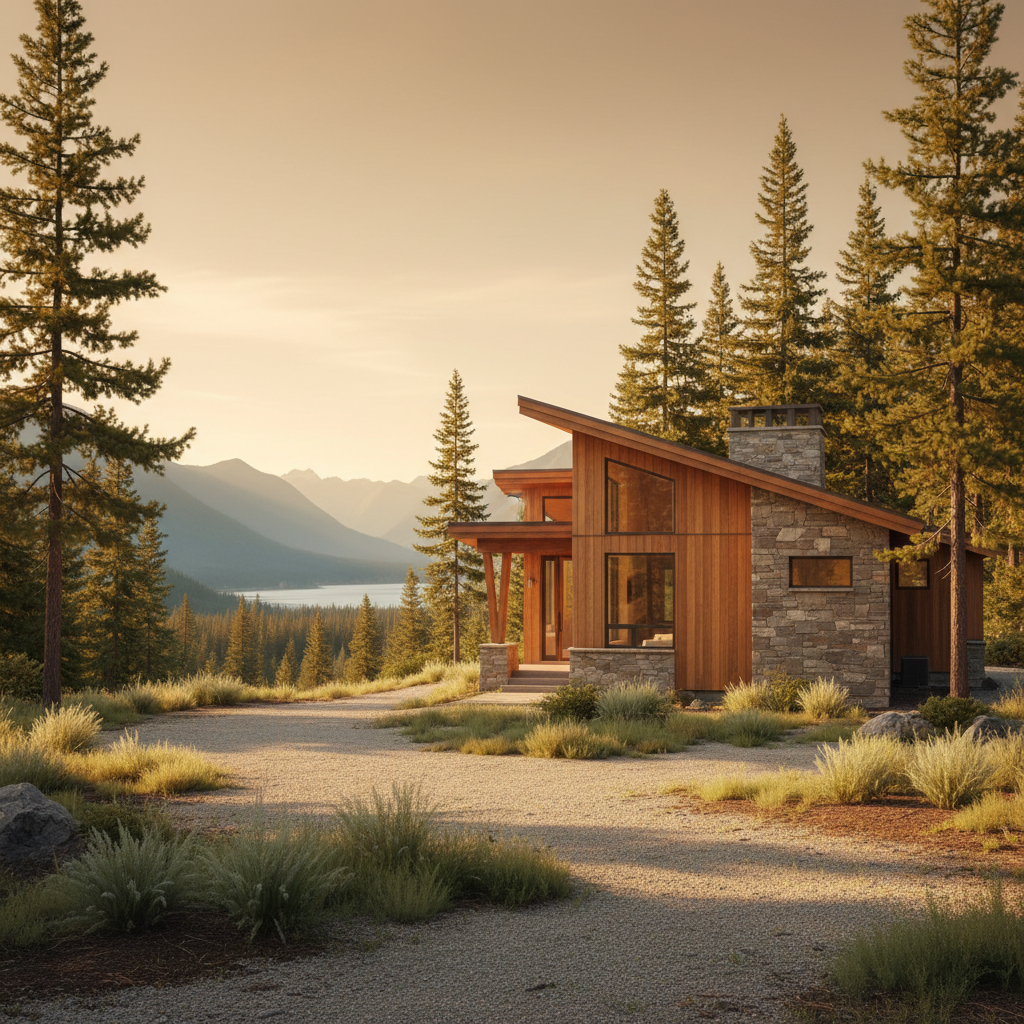
Prepare the Ground
The fight is won before the fire starts.
Paper & Proof
- Review your policy. Make sure it can actually rebuild your house.
- Walk the property with a phone camera. Open every drawer. Film every room.
- Make your address visible from the road — reflective numbers, clear signage.
- Test the garage door manual release. Know it works without power.
Clear the Perimeter
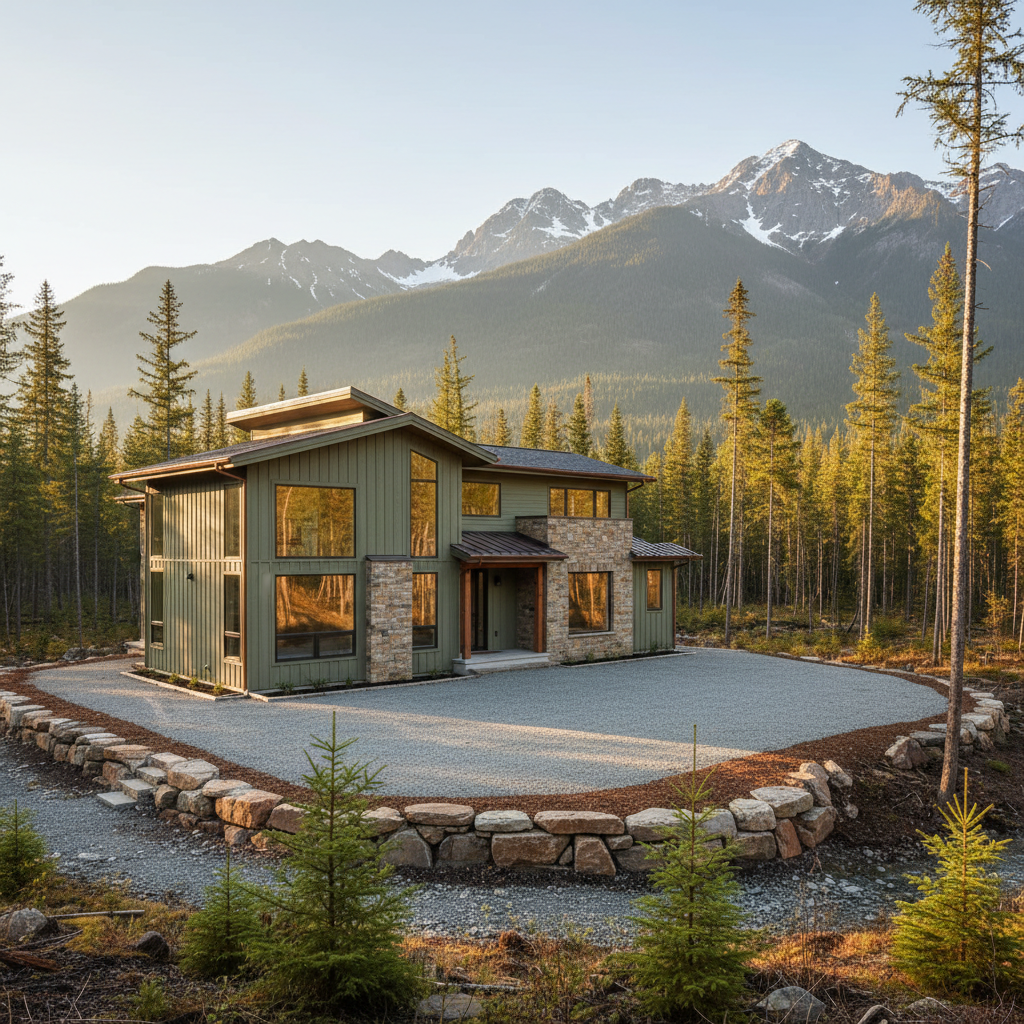
- Manage vegetation within 100 ft of the house.
- Sweep roofs, gutters and decks clear of needles and leaves.
- Keep the first 5 ft around the house non-combustible. No mulch, no bark.
- Move wood, propane and firewood 30+ ft from any structure.
- Trim branches 5 ft off buildings. Keep 10 ft between tree crowns.
Harden the House
- Screen every vent with 1/8″ non-combustible mesh.
- Replace wood fencing where it touches the house.
- Treat decks, eaves and awnings for ember resistance.
- In fire season, move cushions, mats and planters indoors.
Write the Plan
A family that has practised leaves in minutes.
Know What's Coming
- Learn to read Predicted Fire Weather. Red Flag alerts come after.
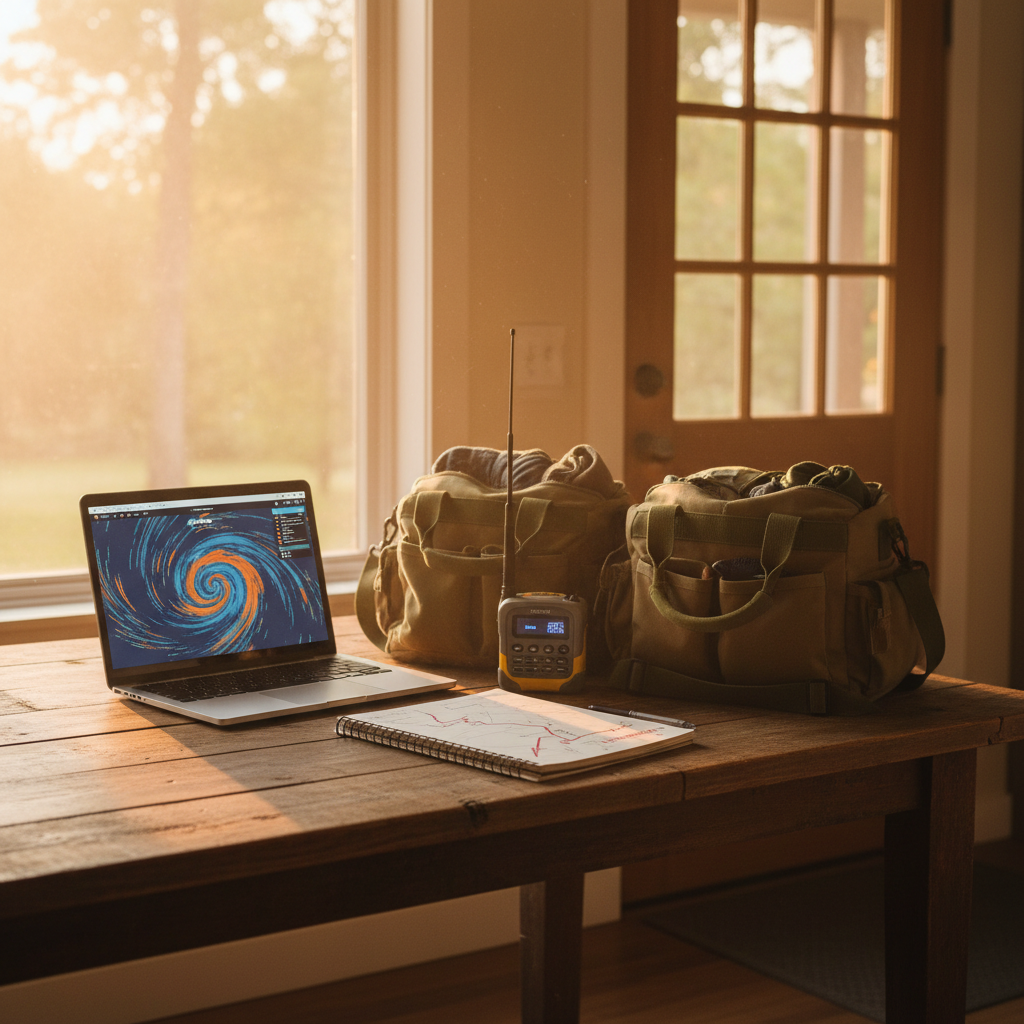
- Sign up for local emergency alerts. Keep a NOAA weather radio.
- Install the Prodigy Wildfire app. EmberWatch tracks live fire activity across Canada, the USA, and Australia — free.
- If you're rural, consider GMRS radios. Cell towers fail first.
Two Routes, Always
- Pick a primary route out. Then pick a second, in a different direction.
- Name your destinations in advance: a hotel, family, a shelter, a pet-friendly site.
- Set a meeting point outside the fire zone — somewhere everyone knows.
- Find the nearest Temporary Refuge Area in case you can't leave in time.
The People Around You
- Pick one out-of-area contact. Everyone checks in with them, not each other.
- Write the critical numbers on paper. Put the paper in the go-bag.
- Talk to your neighbours. Who has mobility needs? Who has a trailer?
- Pack one go-bag per person — 72 hours of clothes, meds, chargers, ID.
- Plan the animals now. Carriers out, trailer hitched, destination confirmed.
Alert or Order?
One word changes everything you do next.
Evacuation Alert
Not yet. But soon. Be ready to leave on short notice.
- Stage vehicles. Top up fuel.
- Load go-bags, meds, and documents.
- Unlock gates. Lay out hoses.
- Check on the neighbours. Check the animals.
Evacuation Order
Leave. Right now. No last-minute packing, no second trip.
- Close every door, inside and out.
- Exterior lights on. A/C off.
- Everyone in one vehicle. Essentials only.
- Drive your planned route. Calmly.
Get Ready
You have been given time. Spend it well.
Stage the Vehicles
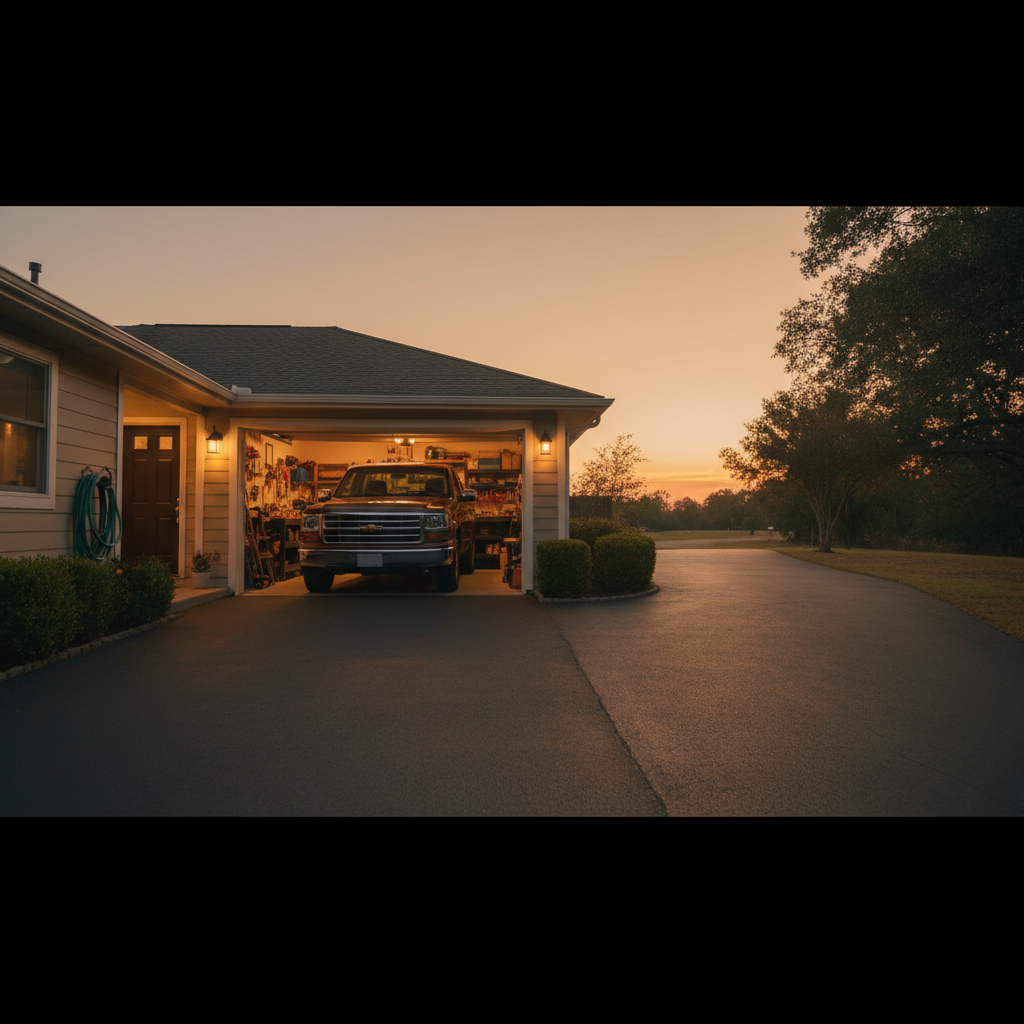
- Back every vehicle in. Noses pointing at the way out.
- Keep fuel above half. Pumps die when the grid does.
- Charge every phone, radio, and power bank you own.
- Clear boats and RVs off the driveway. Responders need room.
Open the House
- Unlock the gate. Responders don't have your code.
- Take down flammable drapes if the fire is close.
- Leave ladders in view for firefighters.
- Coil a hose on every side of the house. Pistol nozzles on.
Tell Someone
- Tell family where you're going and which route you're taking.
- Leave together. One car, one convoy if you can.
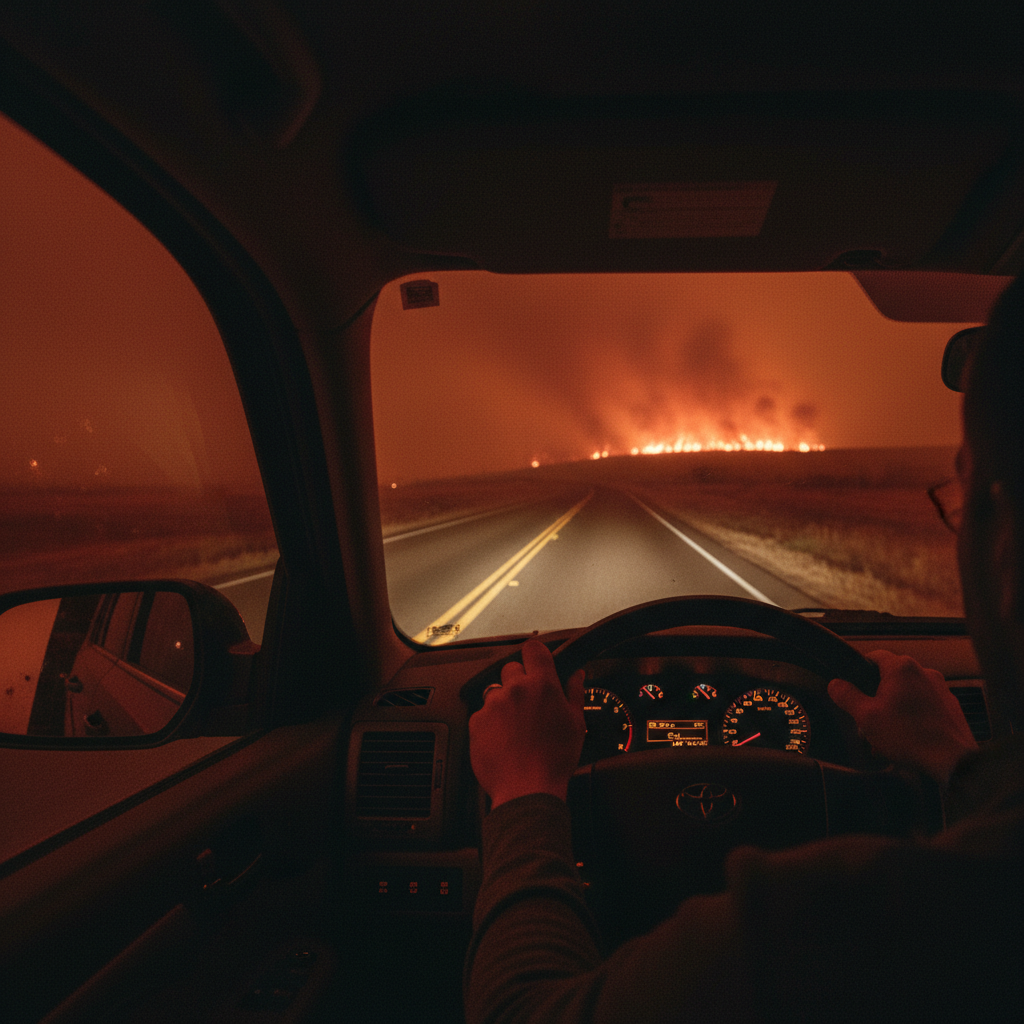
Go.
This is no longer a decision. Move.
Last Steps Inside
- Close every interior door. It slows the fire.
- Close the exterior doors and windows. Kill the A/C.
- Turn on every outside light. Smoke hides houses.
- People, pets, go-bags. That's the list.
- Phones. Chargers. Meds. Wallets. Keys. Leave.
On the Road
- Take your planned route. Downhill. Away.
- Headlights on. Hazards on. Windows up. A/C to recirculate.
- Share a car if you can. Leave lanes open for trucks coming in.
- Follow traffic direction. Do not argue with the officer at the gate.
- If the smoke is a wall, pull over. Stay low. Wait.
- Message your contact the moment you're clear.
Stay in Touch
- Text, don't call. Voice lines drown first.
- One family voice relays updates to everyone else.
- Keep NOAA or a scanner on. Your FM station may go dark.
- Don't tie up the line with small talk. Lives are on the other end.
Five minutes.
Five things.
When an order comes, a real evacuation gives you minutes — not the hour you rehearsed. This is what walks out the door with you.
People. Pets.
Everyone who breathes in your house leaves with you. Count them at the car.
Medications
A week's supply and the written list. Glasses, hearing aids, the devices that keep a body running.
Documents
IDs, passports, the insurance binder, the deed. Paper, in a bag, ready to grab.
Phones & Power
Phones, chargers, a power bank, a battery radio. When the cell tower falls, radio keeps talking.
Cash & Keys
Small bills — the card readers may be dark for days. And every key someone might need.
This whole guide,
in your pocket.
The Prodigy Wildfire app turns this guide into something you can act on — personalised to your address, updated in real time, ready before you are.
Auto-Generated Evacuation Routes
Two routes from your front door to safety, mapped to live road conditions and fire activity. Updated as the situation changes.
Your Wildfire Readiness Guide
The five phases in this document, rebuilt as a personal checklist. Track your defensible space, your go-bag, your insurance — all in one place.
Real-Time Fire Alerts
Watch the fires near you. Get notified when an alert or order is issued for your address — before the news catches up.
Get the Prodigy Wildfire App
Free. iOS & Android. Built by the people who design wildfire defence systems.
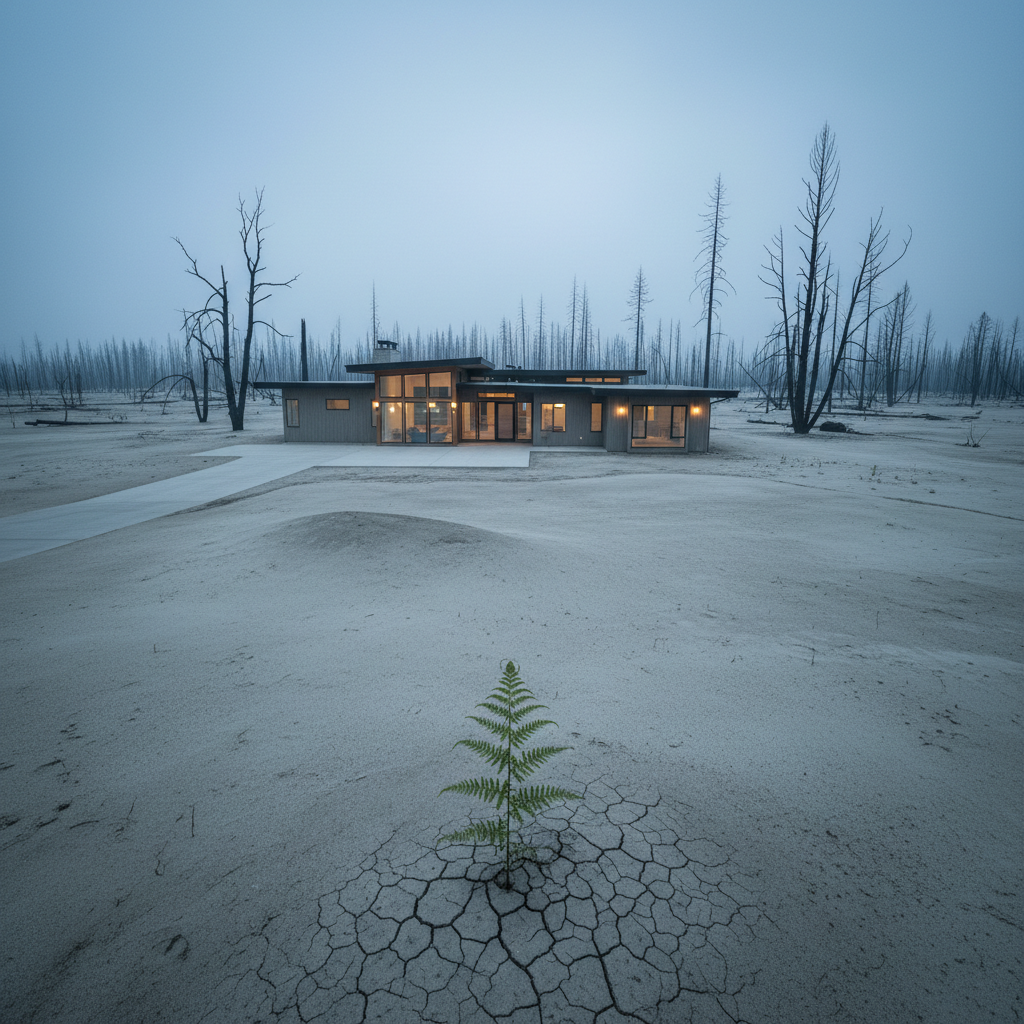
Come Home Slowly
A house that survived the fire is not yet a safe house.
Before You Walk In
- Wait for the all-clear. Not the rumour of one.
- Boots. Long sleeves. N-95. Flashlight. Go.
- Watch your feet — burned roots leave holes that look solid.
- Smell gas? Shut it off at the source and call the utility.
- Every downed line is live until a lineman says it's not.
- Check the attic and eaves first. Embers can burn for days.
Document, Then Clean
- Photograph everything before you move it. Every room. Every angle.
- Call your insurer before you throw anything away.
- Throw out anything warm, smoky, or melted. Write it down.
- Don't drink the tap water until the utility clears it.
- Hose down the roof and the yard. Kill what's still glowing.
- Hire contractors for structural work. This is not a DIY moment.
The Long Return
- Talk to someone. Evacuation is quiet trauma and it catches up.
- Apply early for assistance — FEMA, provincial programs, charities.
- Watch the air. Masks and purifiers until the AQI settles.
- Rebuild fire-smart. Don't repeat last time's mistakes.
The best evacuation plan
is the one you never have to use.
A Prodigy system holds the line at your house — so your plan can be about the people in the car, not the roof behind them.